Understanding RSV in Adults: Symptoms, Risks, and the New Vaccine
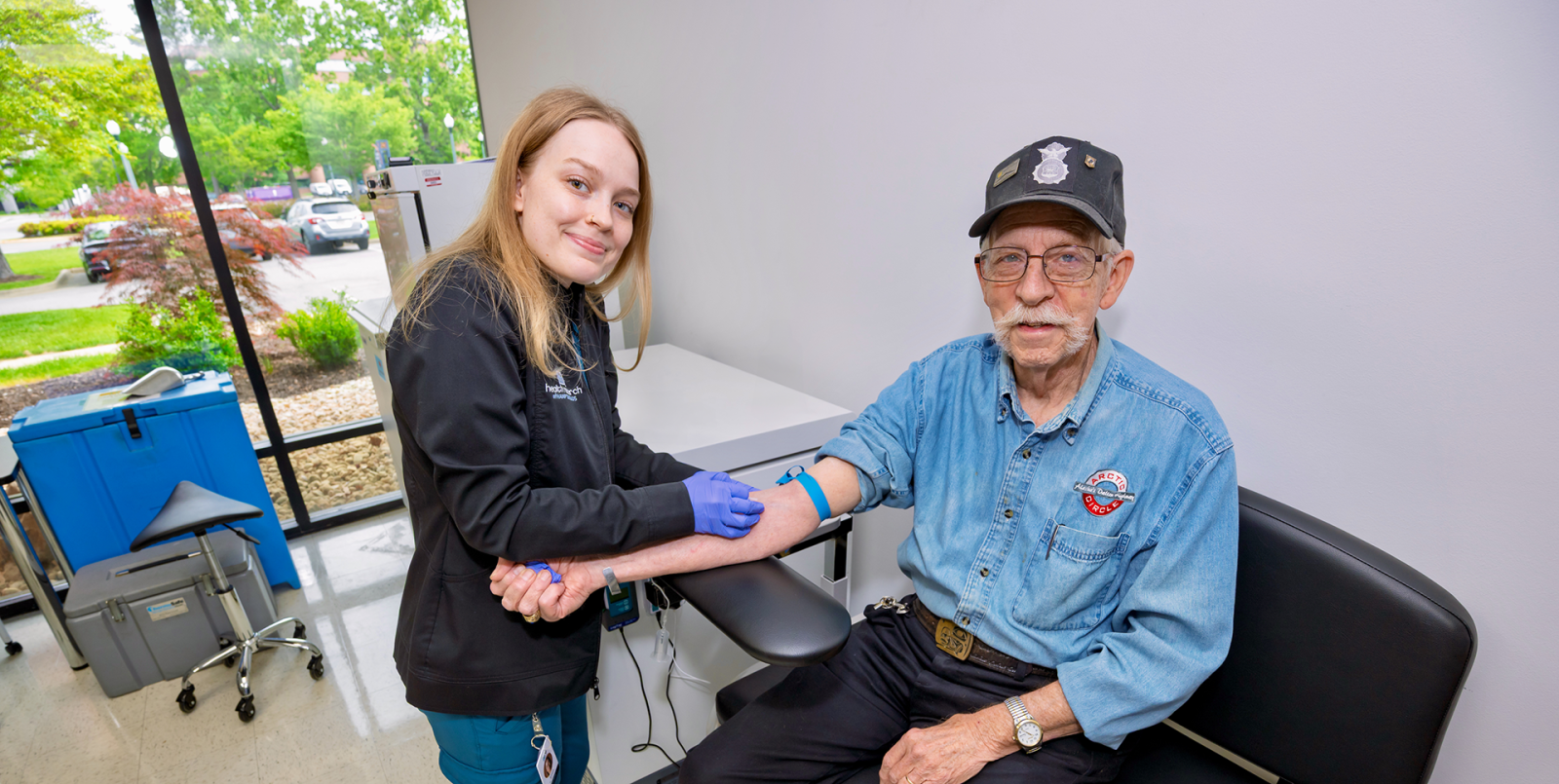
Why RSV Isn’t Just a Cold for Older Adults
RSV (respiratory syncytial virus) is often seen as a childhood illness—but for adults, especially those over 60, it can lead to serious respiratory complications. These complications include bronchitis, pneumonia, hospitalization, and in some cases, respiratory failure (Cleveland Clinic).
Thanks to recent scientific advancements, there is now an FDA-approved RSV vaccine for adults over 60. Still, awareness remains low. Here’s what older adults, and those who care for them, need to know about RSV prevention, symptoms, and why vaccination is a proactive step toward better health.
What is RSV?
RSV is a common respiratory infection that affects people of all ages. It spreads through coughing, sneezing, or touching contaminated surfaces, and nearly everyone catches RSV by the age of two (Cleveland Clinic). However, immunity doesn’t last, meaning infection is possible multiple times throughout life.
While symptoms in adults often resemble a mild cold, RSV can pose a serious risk for seniors, especially those with weakened immune systems, heart disease, or chronic lung conditions like asthma or COPD. Although RSV was historically associated with children, the first RSV Vaccine for adults over 60 was approved back in 2023 (FDA).
Why is RSV in Adults Over 60 is Serious
RSV is often brushed off as “just a cold,” but for adults over 60, it can become far more serious. As we all age, our immune system weakens, which makes it harder to fight off infections. Combined with chronic health conditions like heart disease, asthma, or chronic obstructive pulmonary disease (COPD), RSV can quickly escalate from mild symptoms to life-threatening complications.
According to the Cleveland Clinic, older adults with RSV are at an increased risk for complications like
- Bronchitis or bronchiolitis
- Pneumonia
- Worsening of existing conditions like asthma, heart failure, or COPD
- Respiratory failure or low oxygen levels
- Dehydration
- Ear infections
Because RSV can escalate quickly—especially in those with underlying conditions—prevention is key. It’s not just about managing symptoms; it’s about avoiding complications before they start.
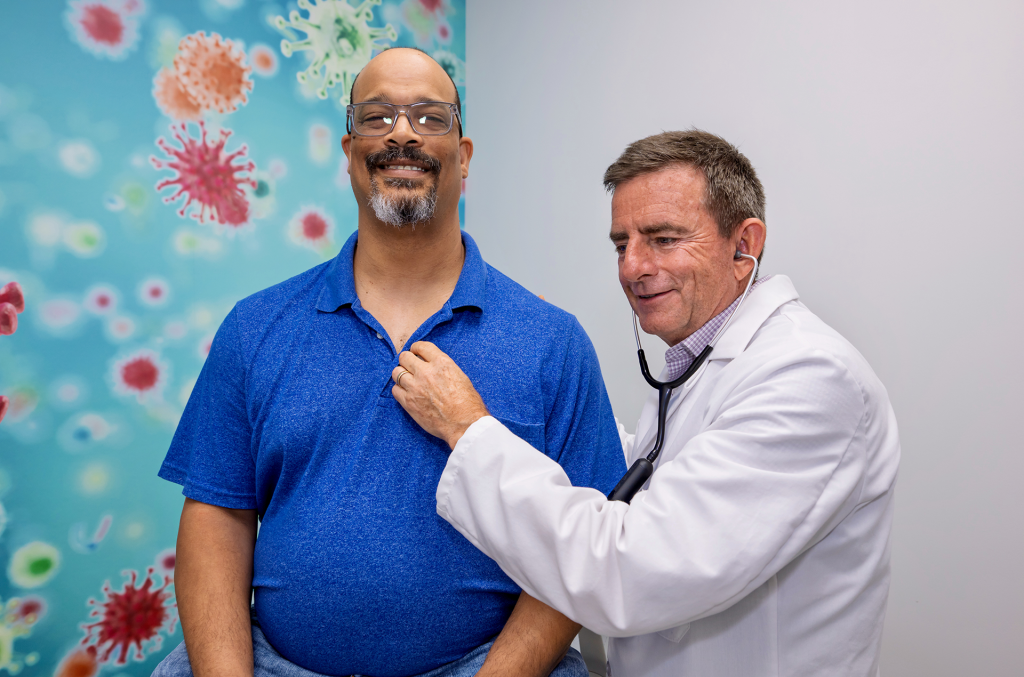
RSV Symptoms in Adults to Watch For
Many RSV symptoms mimic a cold, but it’s important to monitor symptoms closely as they can quickly worsen. According to the Mayo Clinic, common symptoms of RSV include:
- Cough (including persistent or wet cough)
- Congestion, runny nose, or sinus pressure
- Fatigue and low energy
- Fever
- Sore throat
- Headache and body aches
- Decreased appetite
However, RSV can evolve beyond mild discomfort. Warning signs of serious illness include:
- Shortness of breath or wheezing (especially during activity or at night)
- Bluish skin tone (indicating low oxygen)
- Chest retractions (skin pulling between the ribs while breathing)
- Rapid or shallow breathing
- Confusion or severe fatigue
If you or a loved one over 60 experiences these symptoms, seek medical care promptly.
Prevention and Protection
There is no cure for RSV and antibiotics don’t help, as it’s caused by a virus. Treatment focuses on managing symptoms (rest, fluids, OTC meds) and avoiding complications, but the best strategy is prevention. Steps to reduce your risk include:
- Washing hands frequently
- Avoiding close contact with sick individuals
- Disinfecting commonly touched surfaces
- Staying home when symptomatic
Most importantly, vaccination is also now available. In May 2023, the FDA approved the RSVpreF vaccine (Abrysvo™) for adults 60+. Talk to your healthcare provider about whether the RSV vaccine is right for you—especially if you have chronic heart or lung conditions or a compromised immune system.
Looking Ahead
RSV prevention is a growing area of focus in adult health. While the current vaccine offers protection for many, ongoing research is working to expand access and monitor long-term effectiveness in diverse populations.
At Health Research of Hampton Roads (HRHR), we’re committed to supporting clinical studies and advancing health education that empowers people to take charge of their well-being.
Interested in participating in clinical research that helps move science forward? Explore our currently enrolling trials to see how you can make a difference in public health – and your own.
Latest News

Help Develop the First Mono Vaccine