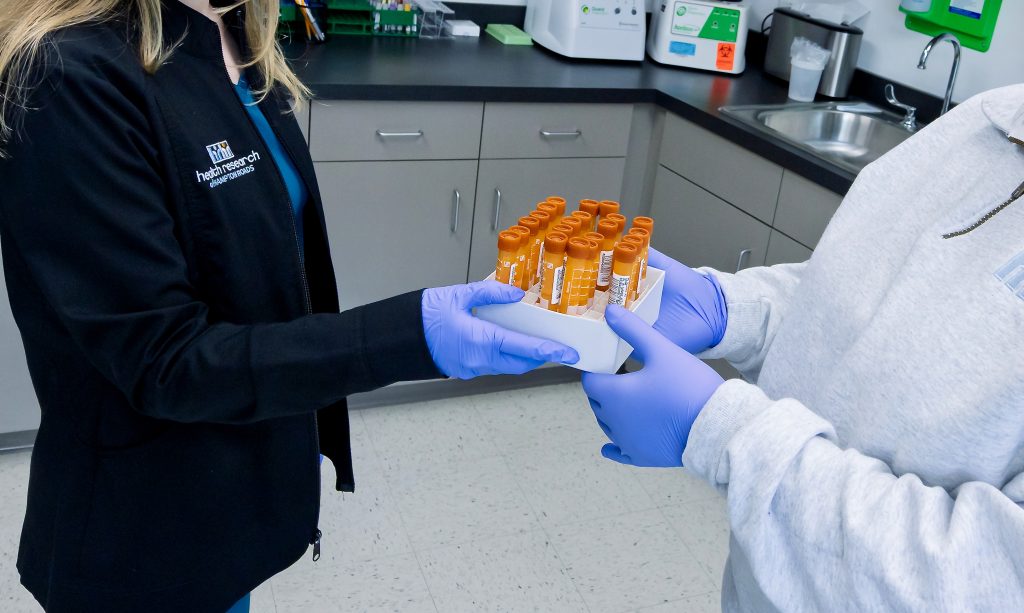
Why Women’s Voices Matter in Clinical Research

Underrepresentation and Women’s Health
Women make up just over half the population, but for decades their participation in clinical trials and health research was extremely limited. According to the National Institutes of Health (NIH), it was not until 1986 that women and minorities were even recommended for participation in clinical trials, with many previous policies limiting or excluding their participation. While participation in clinical trials increased between 1989 and 1993, it was not until 1993 that Congress passed an inclusion policy, requiring women and minorities to be included in all clinical research by law. This long-running absence of representation within health research has in turn shaped how drugs are prescribed, how side effects are understood, and how women’s health conditions are treated. Closing this gap in medical research isn’t just about fairness—it’s about creating safer, more effective medicine for all.
The Gender Gap in Medical Research
For years, the lack of female participation in clinical trials left significant gaps in medical knowledge. Without sufficient data from women, clinical researchers could not account for biological differences like hormone fluctuations, body composition, or metabolism, to name a few. These factors can directly influence how medications are absorbed, distributed, and processed in the body. Because male biology was used as the standard for so long, women have historically received less precise guidance—and in some cases, less effective or less safe treatments.
The consequences are measurable; according to the NCBI, women are nearly twice as likely as men to experience adverse drug reactions, largely because dosing guidelines were established using male participants. In addition, conditions that disproportionately affect women—including autoimmune diseases, osteoporosis, and migraines—received less focused research, slowing progress in prevention and treatment. These gaps, both in representation and in biological understanding, demonstrate why equal participation in clinical research is essential.
Why Women Were Left Out of Clinical Trials
Women were often excluded from research due to concerns about reproductive safety, pregnancy risk, and the potential influence of hormonal cycles on study outcomes. In practice, this exclusion meant entire categories of health conditions went understudied, and treatments were tested without understanding how they might work differently in women. While these policies were intended to “protect” women, they ultimately created more risk by limiting knowledge about safety and effectiveness. The FDA’s guidelines in the early 1990s began to reverse this policy, and the 1993 NIH Revitalization Act mandated inclusion in federally funded clinical research, but decades of underrepresentation had already created lasting gaps and missing data.
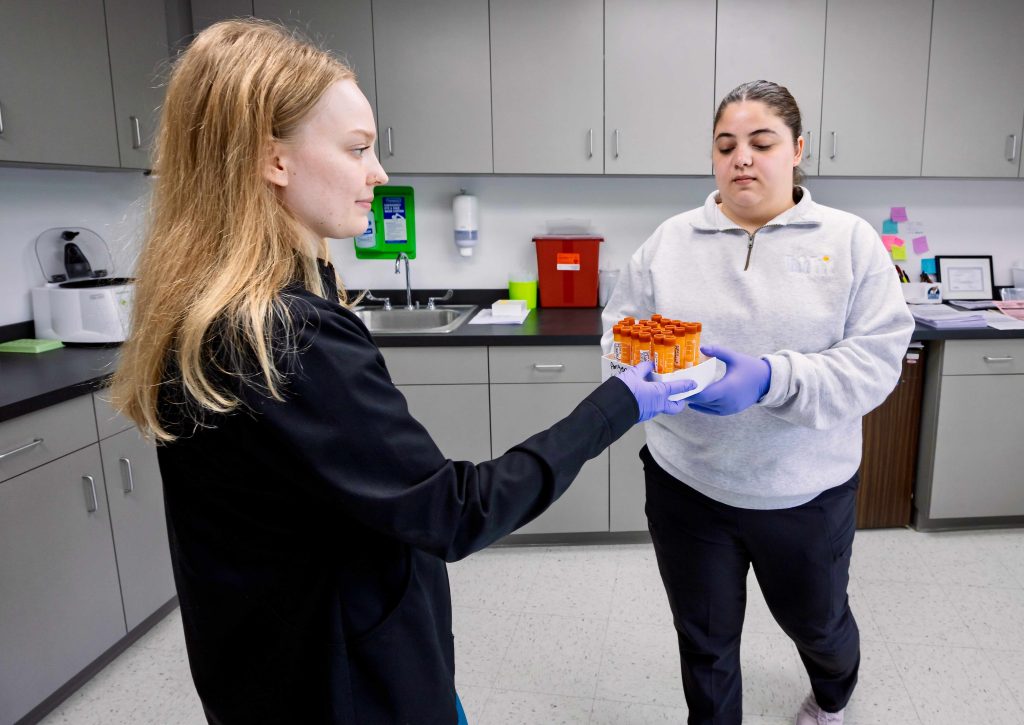
The Importance of Women’s Participation in Clinical Research
Including women in health research ensures that treatments reflect real-world use and real-world biology. Women’s participation improves but is not limited to:
- Drug safety: Identifies sex-specific side effects and accurate dosing.
- Reproductive health research: Advances care for conditions such as endometriosis, PCOS, and uterine fibroids.
- Maternal health: Improves outcomes in gestational diabetes, preeclampsia, and postpartum depression.
- Pelvic health research: Supports better treatments for urinary incontinence, pelvic organ prolapse, and recurrent urinary tract infections.
- Long-term health: Guides prevention and treatment for osteoporosis, autoimmune diseases, and female-specific cancers.
Diversity in clinical trials ensures that treatments are safe and effective across different ages, backgrounds, and health histories.

Advancing Women’s Health Research at HRHR
At Health Research of Hampton Roads (HRHR), advancing women’s health is a core priority. Our clinical trials explore the full spectrum of women’s health, from reproductive and maternal care to pelvic health and aging. Dr. George Freeman, HRHR’s Medical Director and Principal Investigator, brings decades of expertise as a board-certified OB-GYN and clinical researcher. His dual background ensures that HRHR’s women’s health studies are both scientifically rigorous and deeply patient-centered. Under his leadership, HRHR also ensures that women’s experiences and needs are reflected in ongoing studies. This includes advancing research into pelvic health conditions such as urinary incontinence, which remain common but under-discussed. By focusing on representation, HRHR helps move medicine and clinical research forward for women in Hampton Roads and beyond.
How Women Are Shaping the Future of Medicine
Women’s participation leads to safer medications, more effective therapies, and new standards of care designed with women in mind. It also ensures that future generations benefit from stronger, more inclusive medical science. Every trial that includes women helps create a healthcare system that works for everyone. For further reading on women’s health and ongoing news surrounding the topic, refer to the World Health Organization’s section on Women’s Health.
Why Your Role in Clinical Trials Matters
Clinical research only works when people volunteer to participate. For women, that participation is especially important given decades of underrepresentation. Joining a clinical trial is one of the best ways to contribute directly to advancing science, improving care, and creating better options for women’s health. Participation is always voluntary and designed with safety in mind. If you’ve ever wondered how to join a clinical trial, HRHR makes the process clear and supportive from the very first step. By taking part, women can help ensure that future treatments are developed with their needs at the center.

Now Scheduling! Stress UI (Bladder Leaking)
Females, 18+ years of age
This trial will focus on an investigational medication to treat the symptoms of Stress Urinary Incontinence (SUI). SUI occurs when you leak urine under stress such as laughing, coughing, sneezing, or lifting something heavy.
Eligibility
- MUST have a diagnosis of SUI as confirmed by our team.
- MUST have BMI of 27 or greater.
- MUST be willing to complete an electronic diary throughout the study.
Trial Duration
The study duration is approximately 58 weeks, with study treatment for up to 52 weeks.
Compensation
More information to come.
Apply to this trialLatest Insights

What Is LDL Cholesterol? Understanding the “Bad” Cholesterol and Why It Matters

A New Path to Quit Smoking: Exploring the Next Treatment